

Ultratile
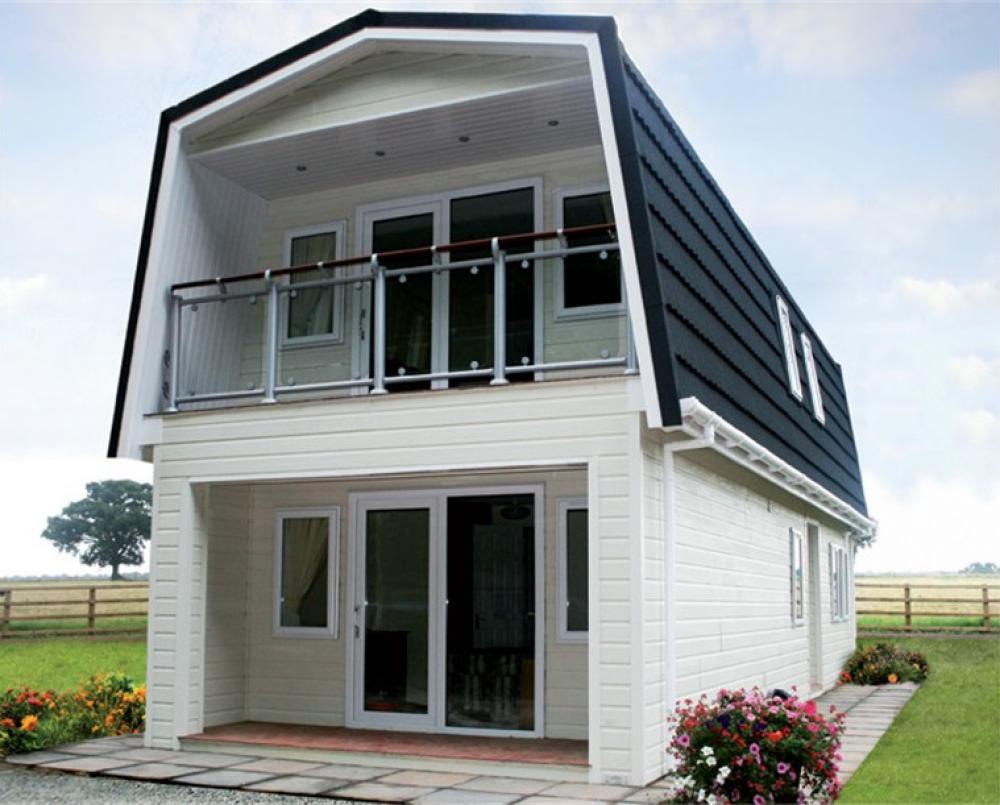
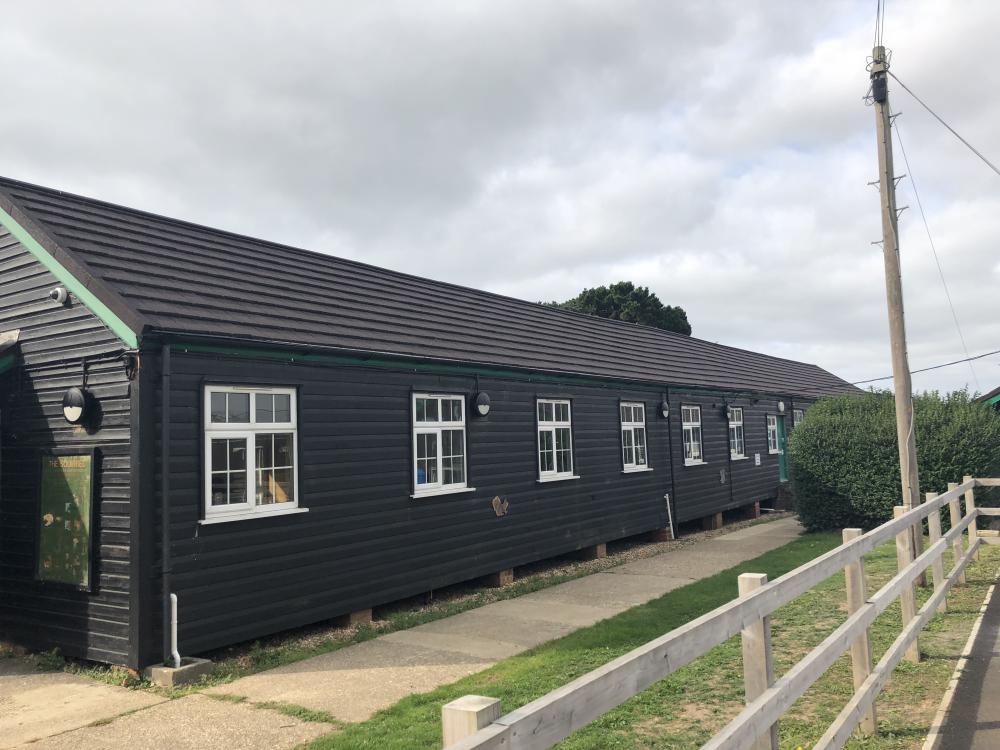
Ultratile is Britmet Lightweight Roofing’s most popular profile for the Leisure Homes, including Park Homes, Stables, Chalets & Camping Pods.
Features & Benefits
- Manufactured in Britain
- Designed to replicate traditional British tile profiles
- Lightweight - from 7kg per m²
- Suitable for roof pitches down to 10°
- Available in 0.45mm or 0.9mm gauge
- BROOF(t4) fire certification (BS EN 13501-5)
- 50-year weather-seal warranty

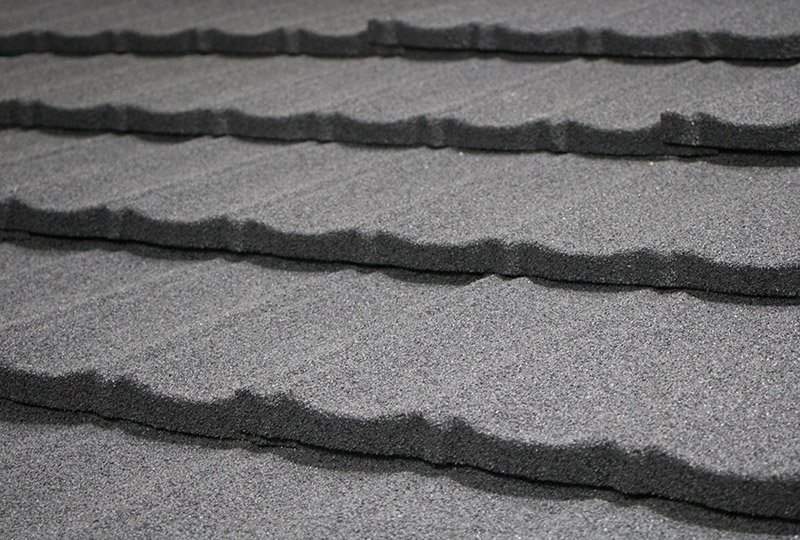
Ultratile Overview
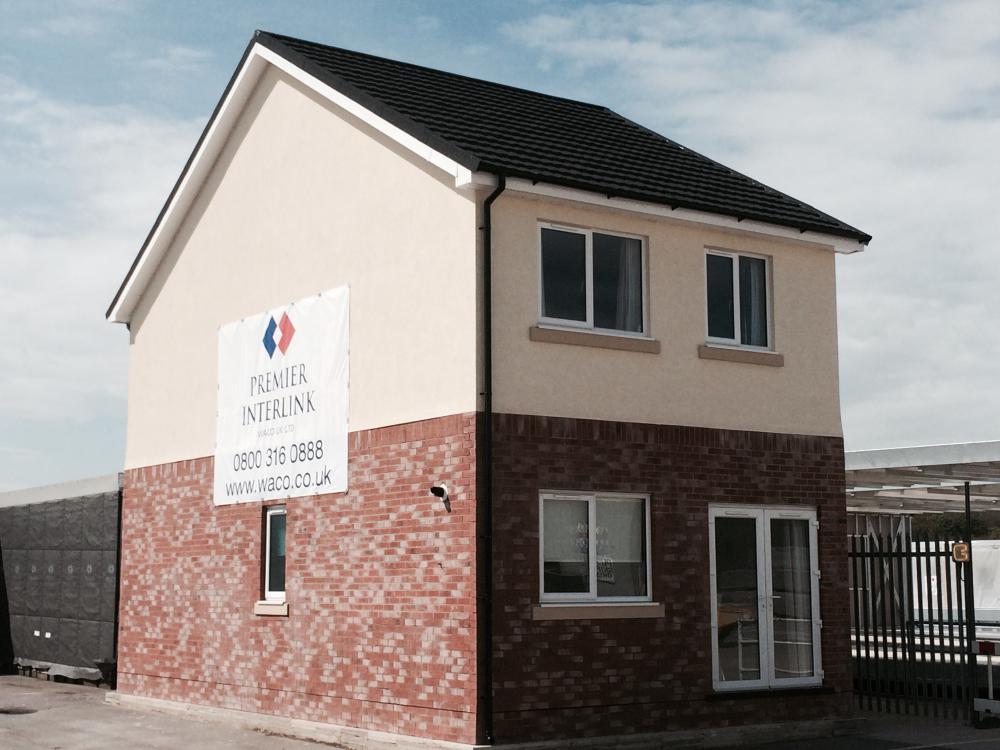
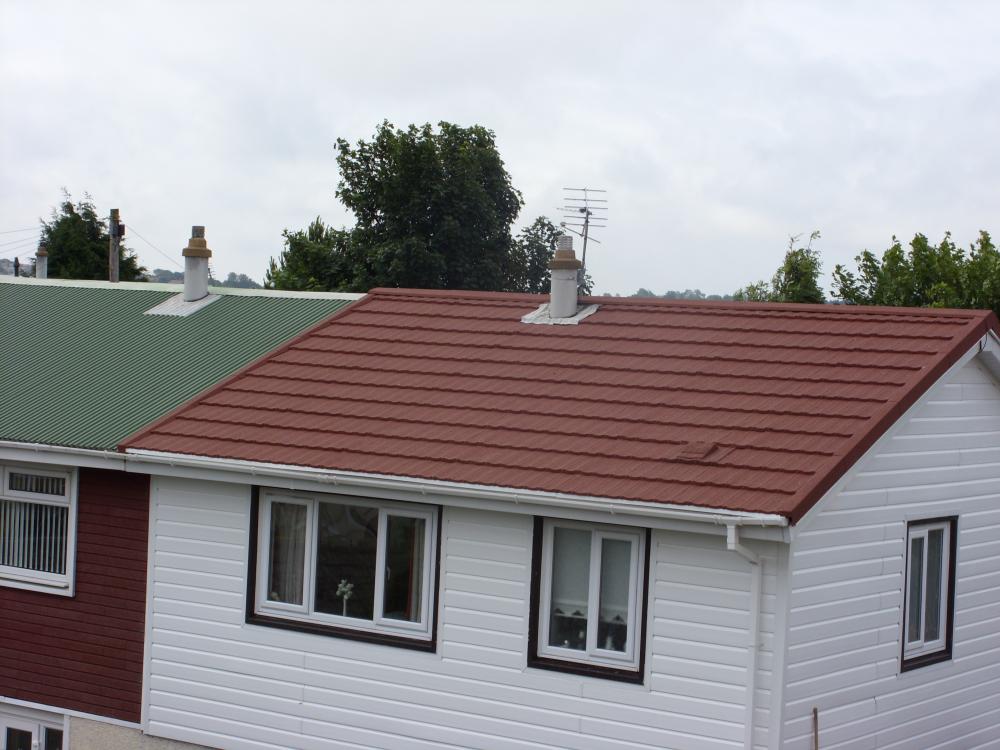
Ultratile is Britmet Lightweight Roofing’s most popular profile for the Leisure Home Industry, including Park Homes, Stables, Chalets, Camping and Glamping Pods. The traditional British profile is available in a range of 5 different colours, to compliment any building.
The Ultratile is available in both 0.45mm and (anti-vandal) 0.9mm thicknesses, made from high quality Aluzinc steel. Each tile is equivalent to 8 traditional roofing tiles and can be fixed to roof pitches as low as 10°. This means that only 2.18 tiles are required per m². Therefore, the speed of installation is massively improved, reducing expensive installation and labour costs.
Britmet’s lightweight Ultratile system is a standout choice for your roofing project as it is a fully dry fix system, maintenance free and has an extensive range of accessories to suit all installation requirements.
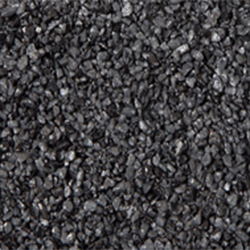
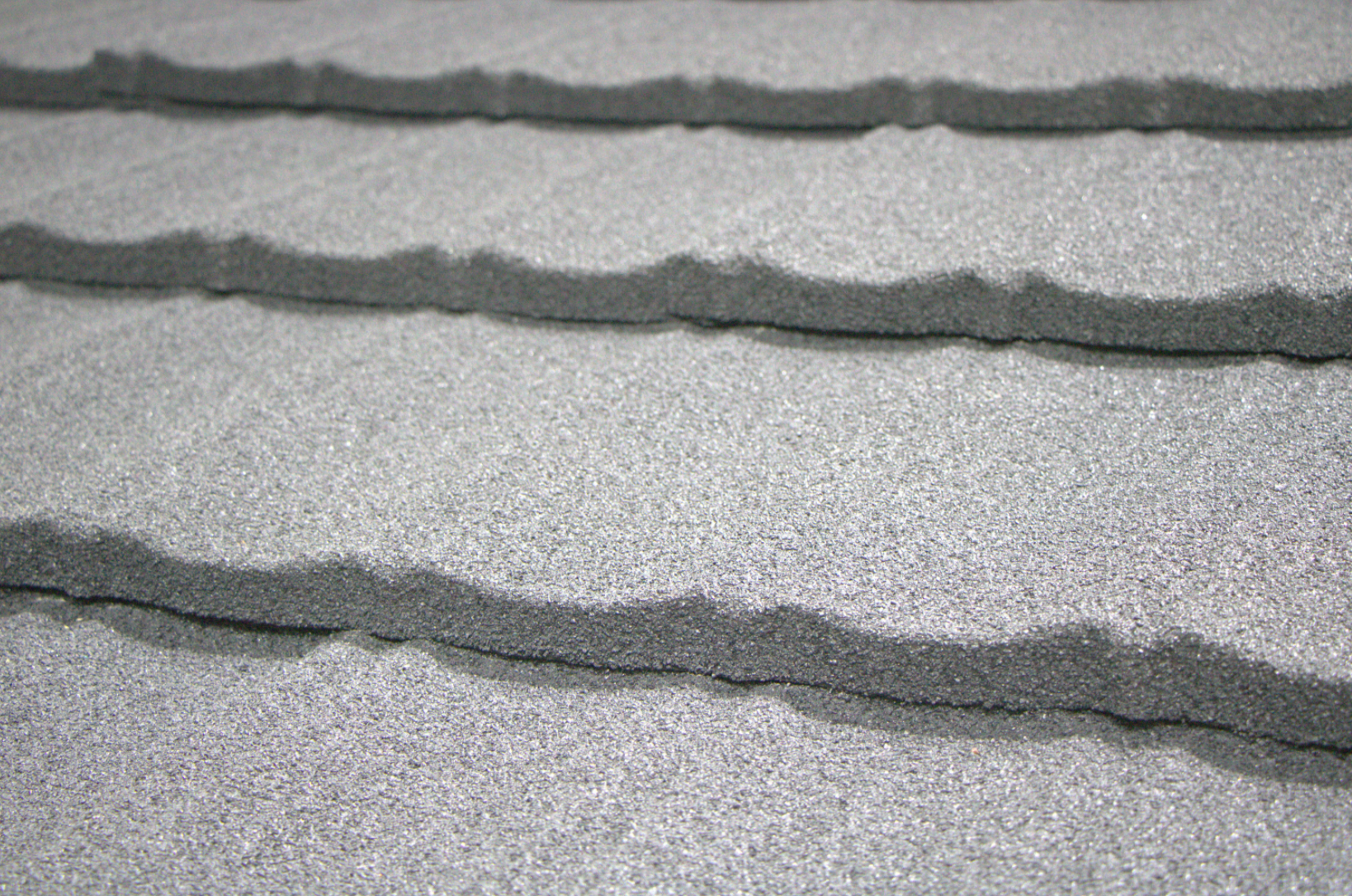
Titanium Grey
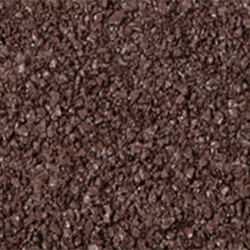
Bramble Brown
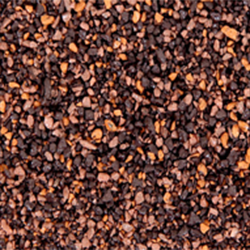
Rustic Brown
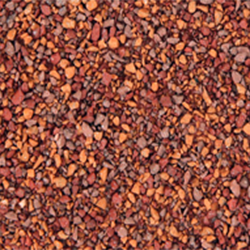
Rustic Terracotta
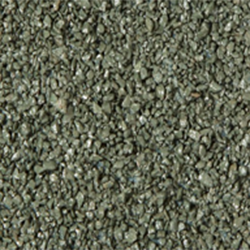
Tartan Green
Ultratile Brochure
Ultratile Photo Gallery
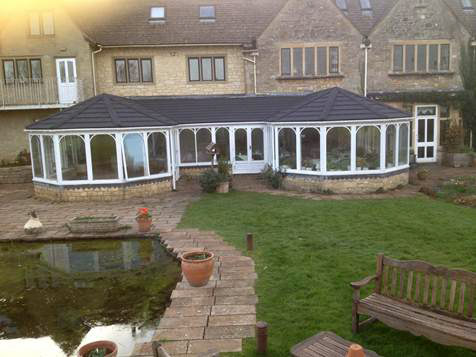

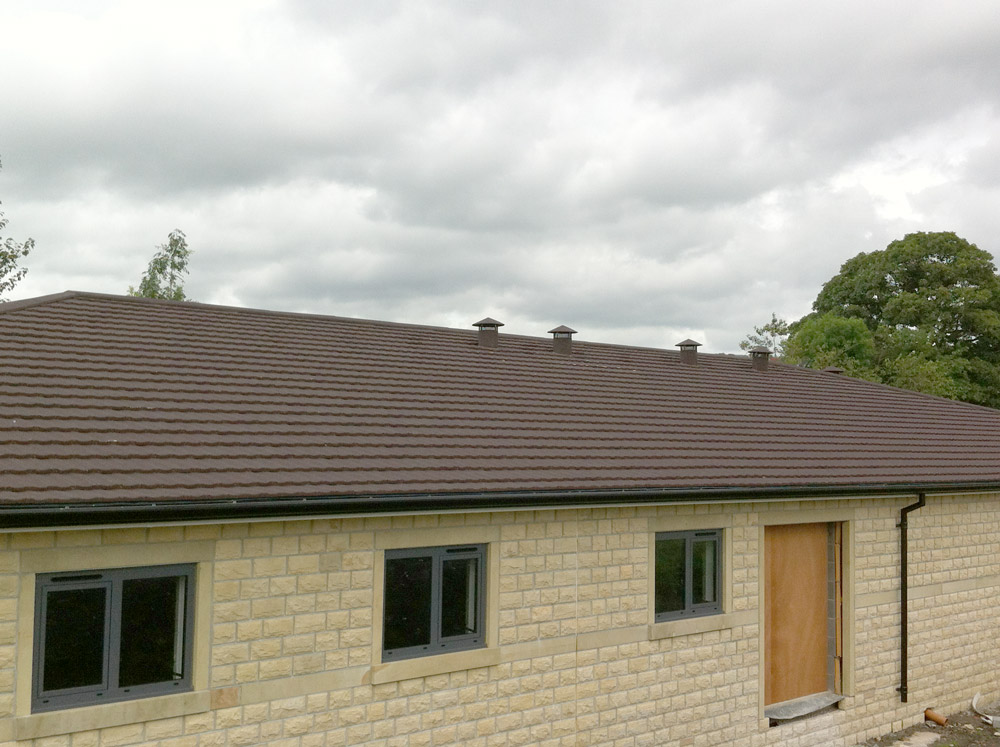
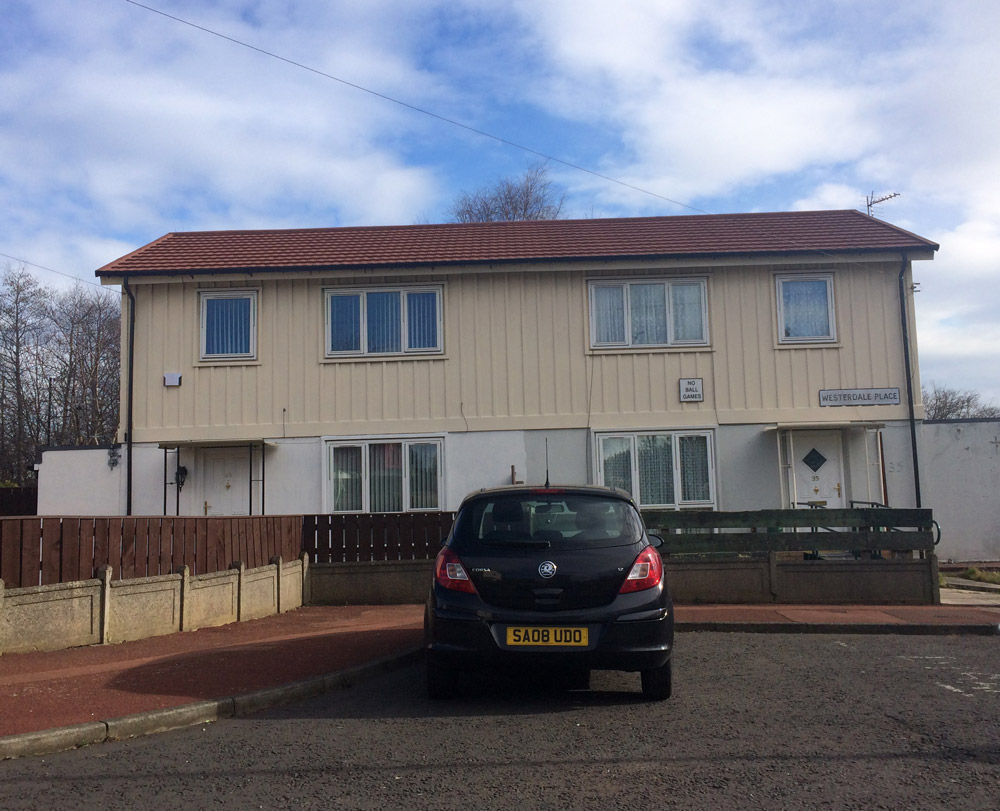

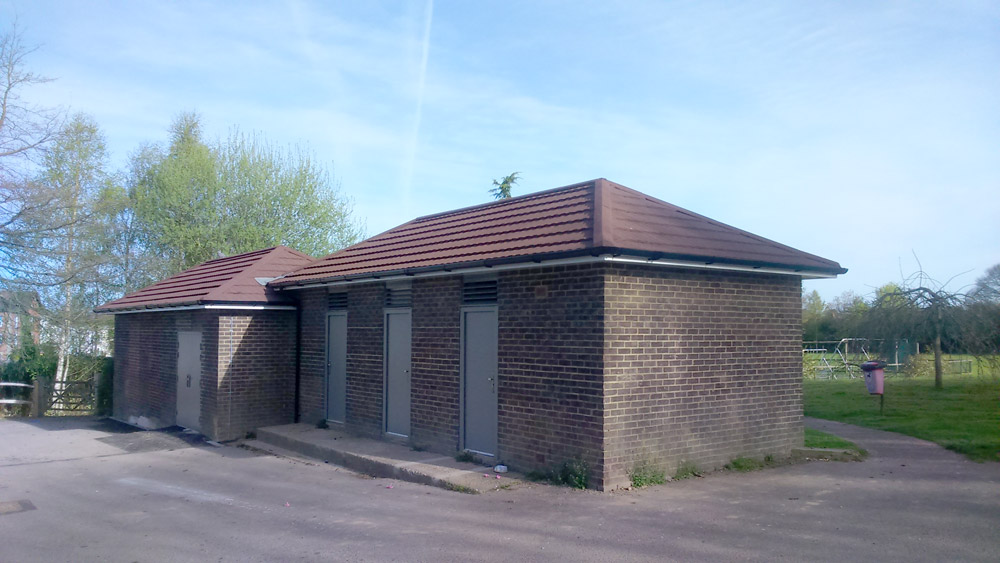
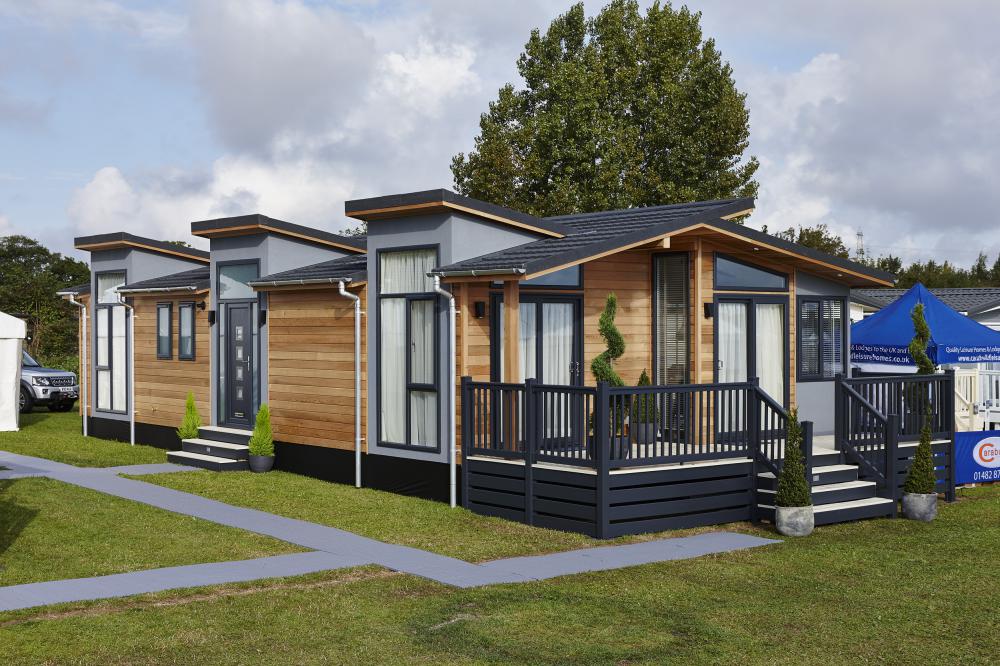
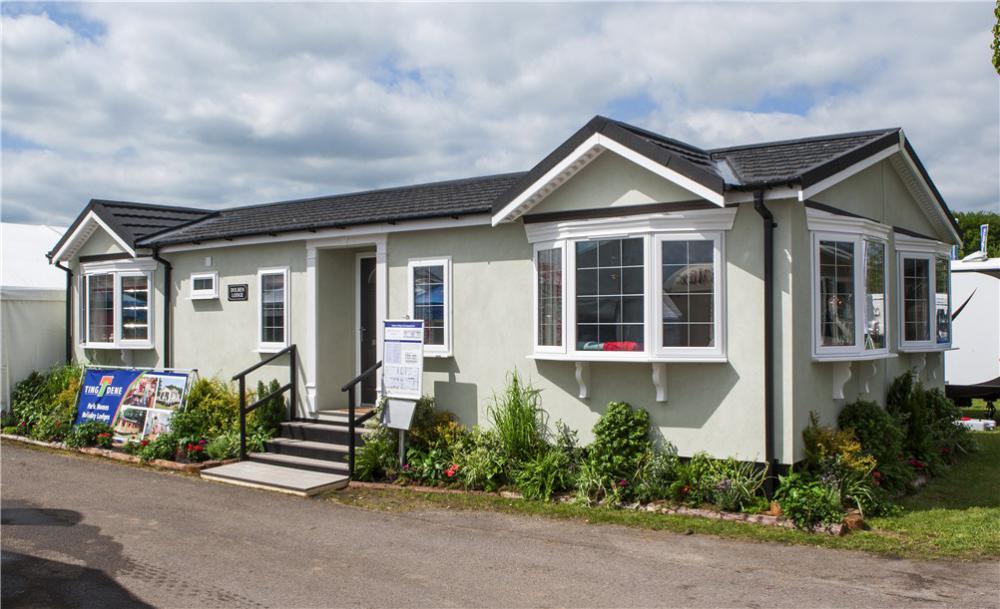
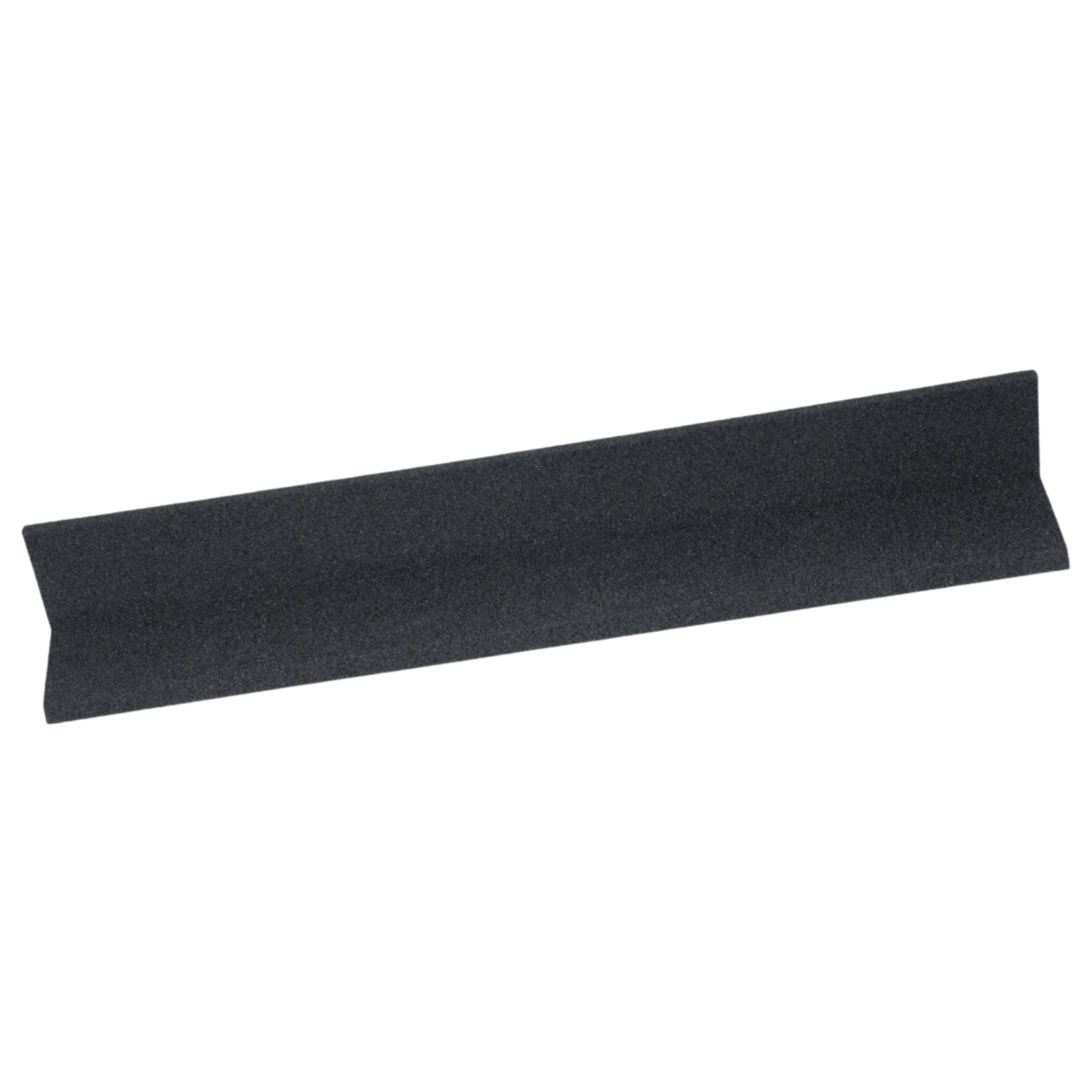
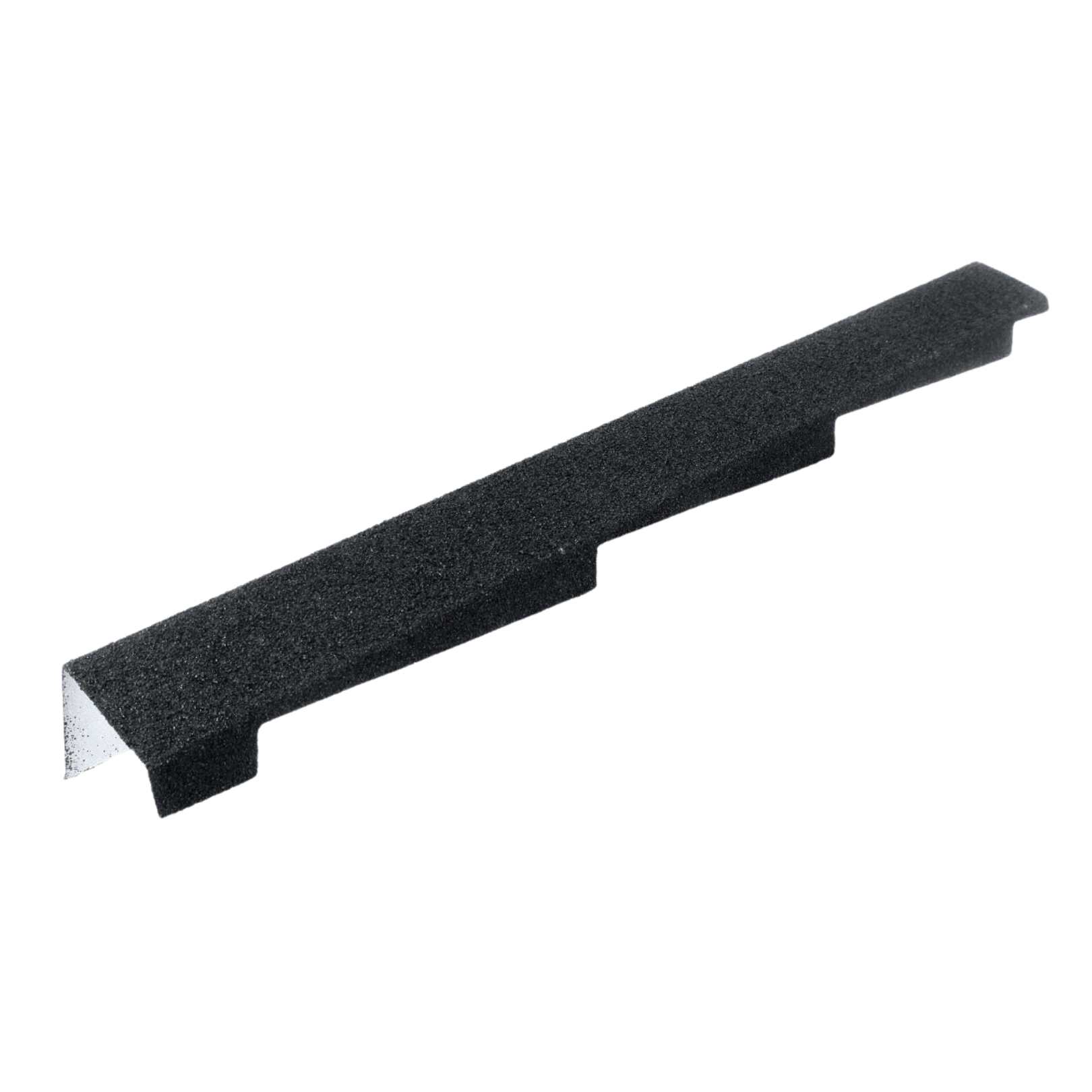
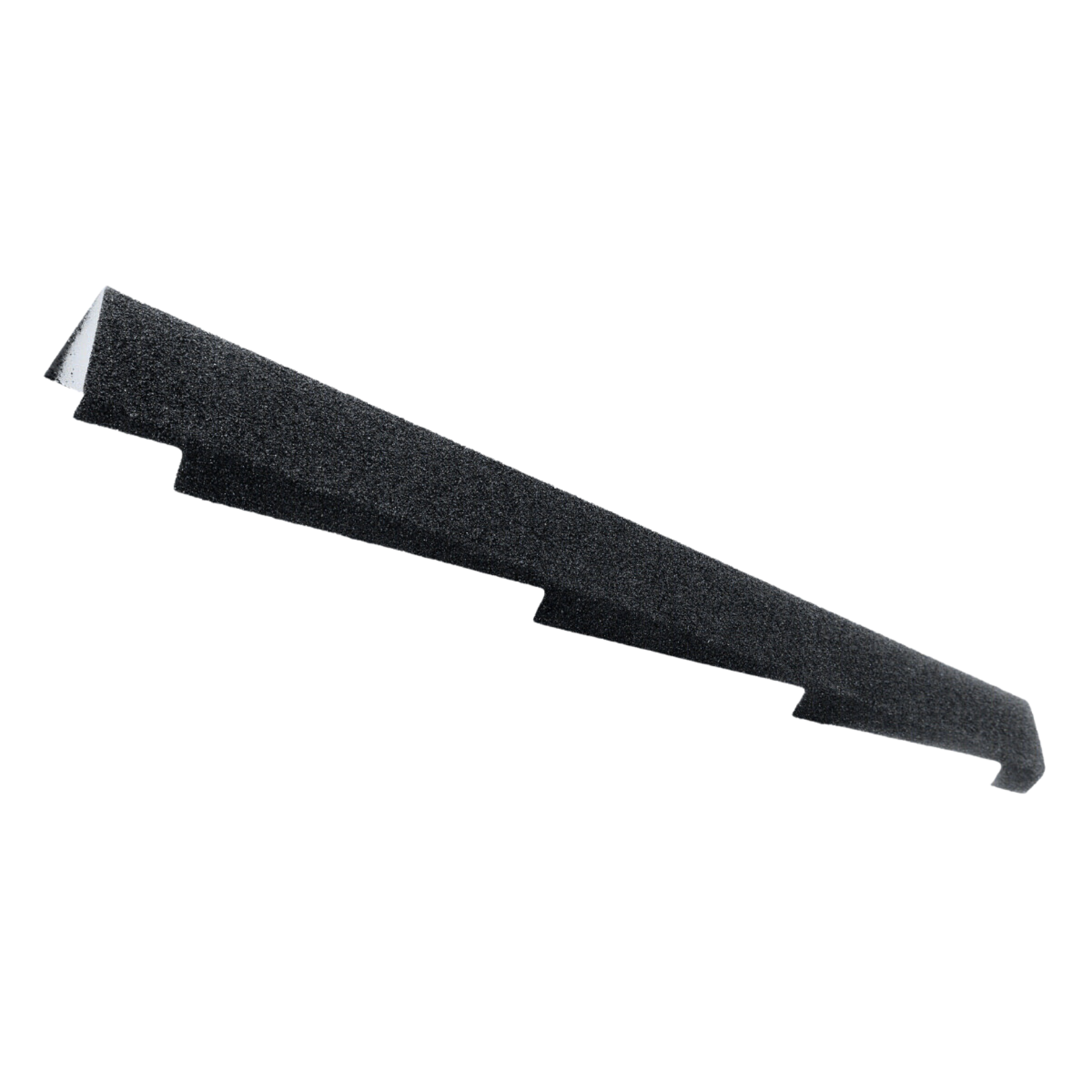
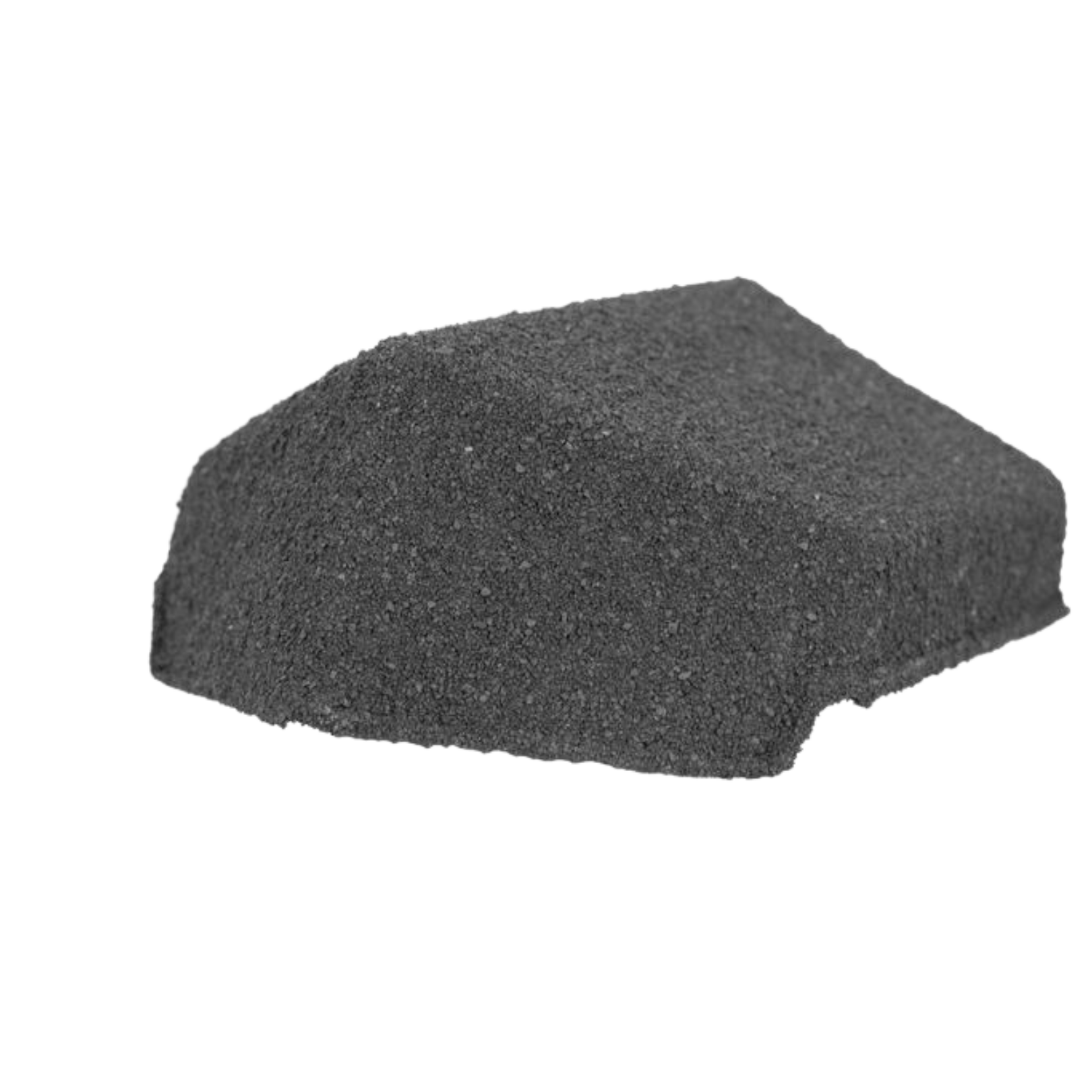
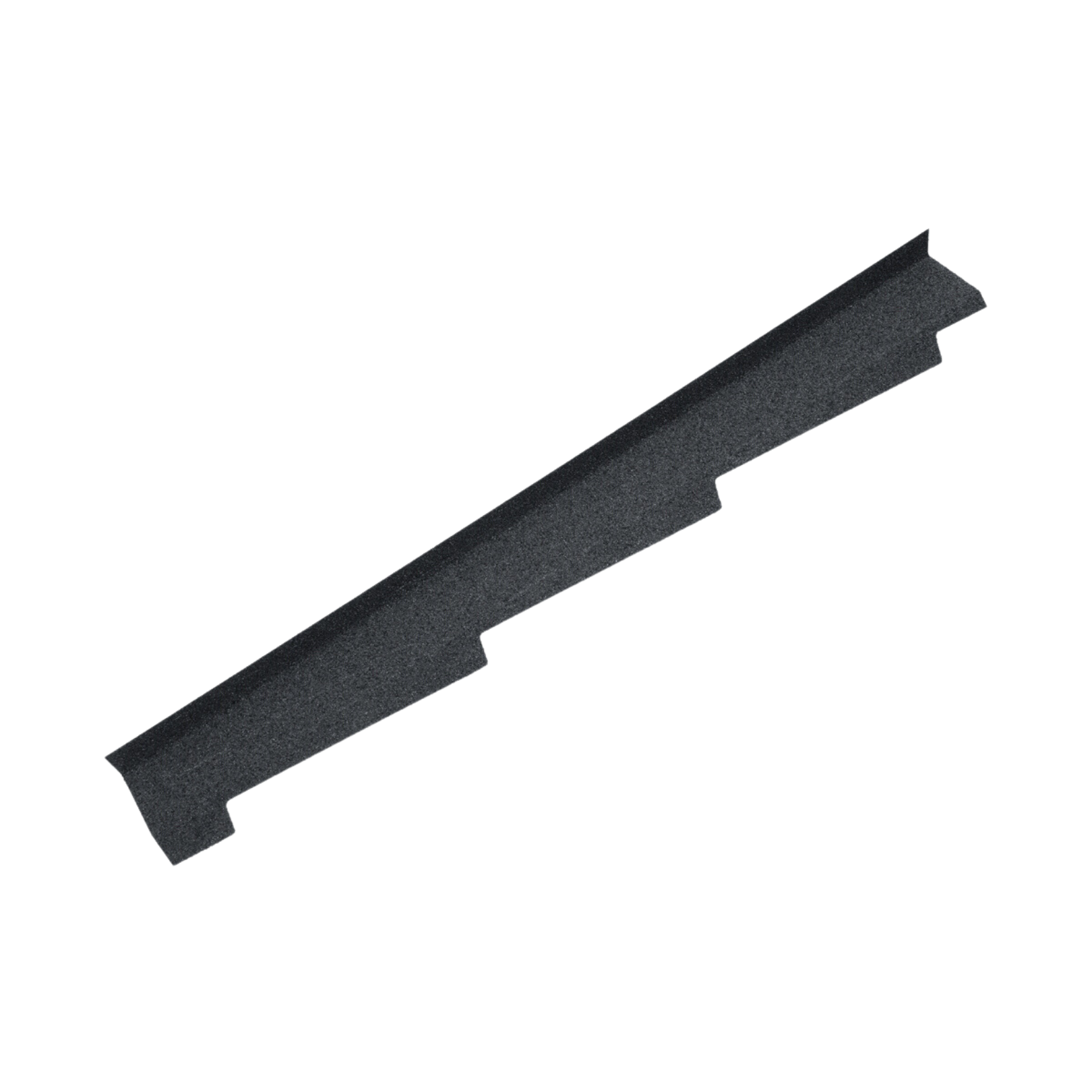
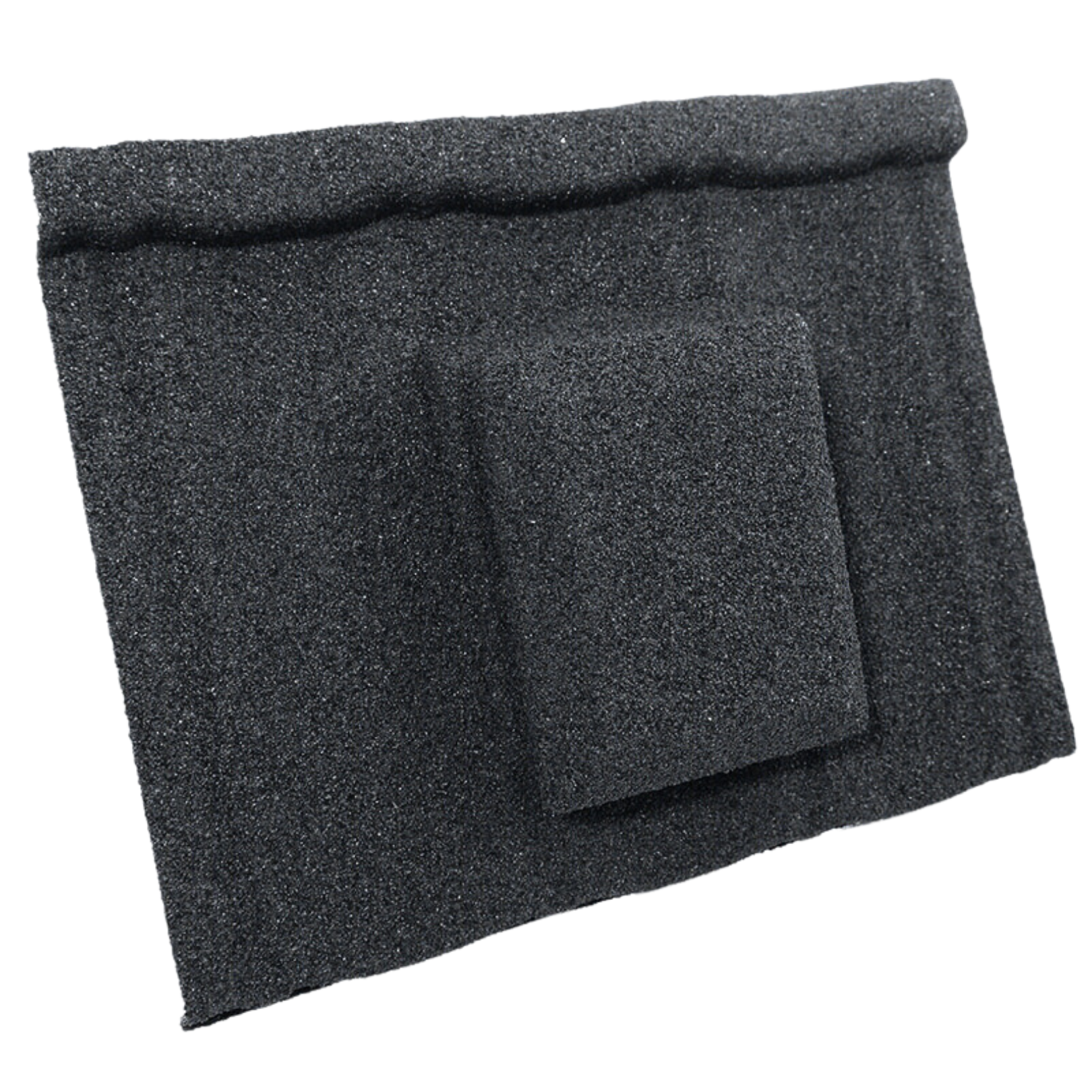
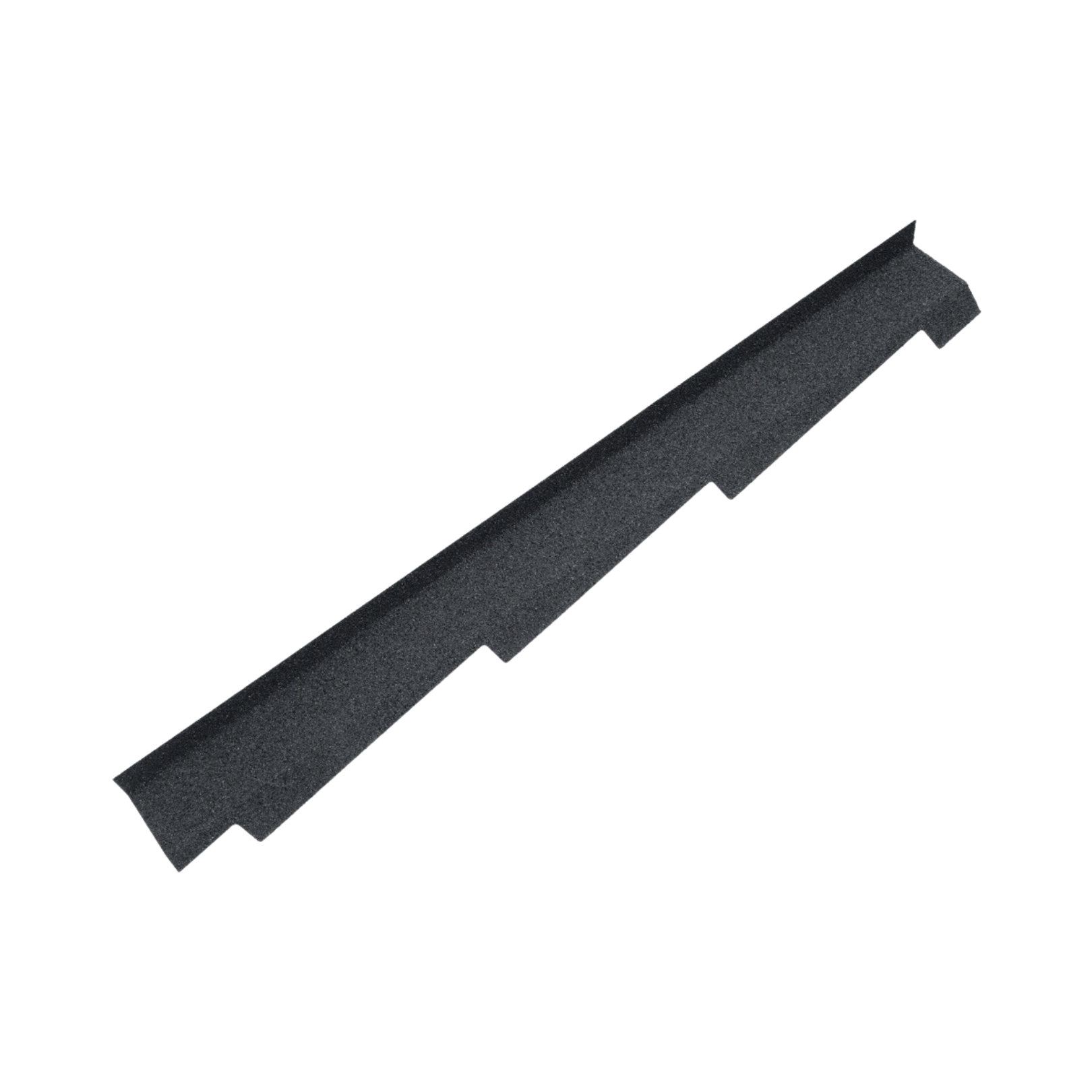
Ultratile Product Range
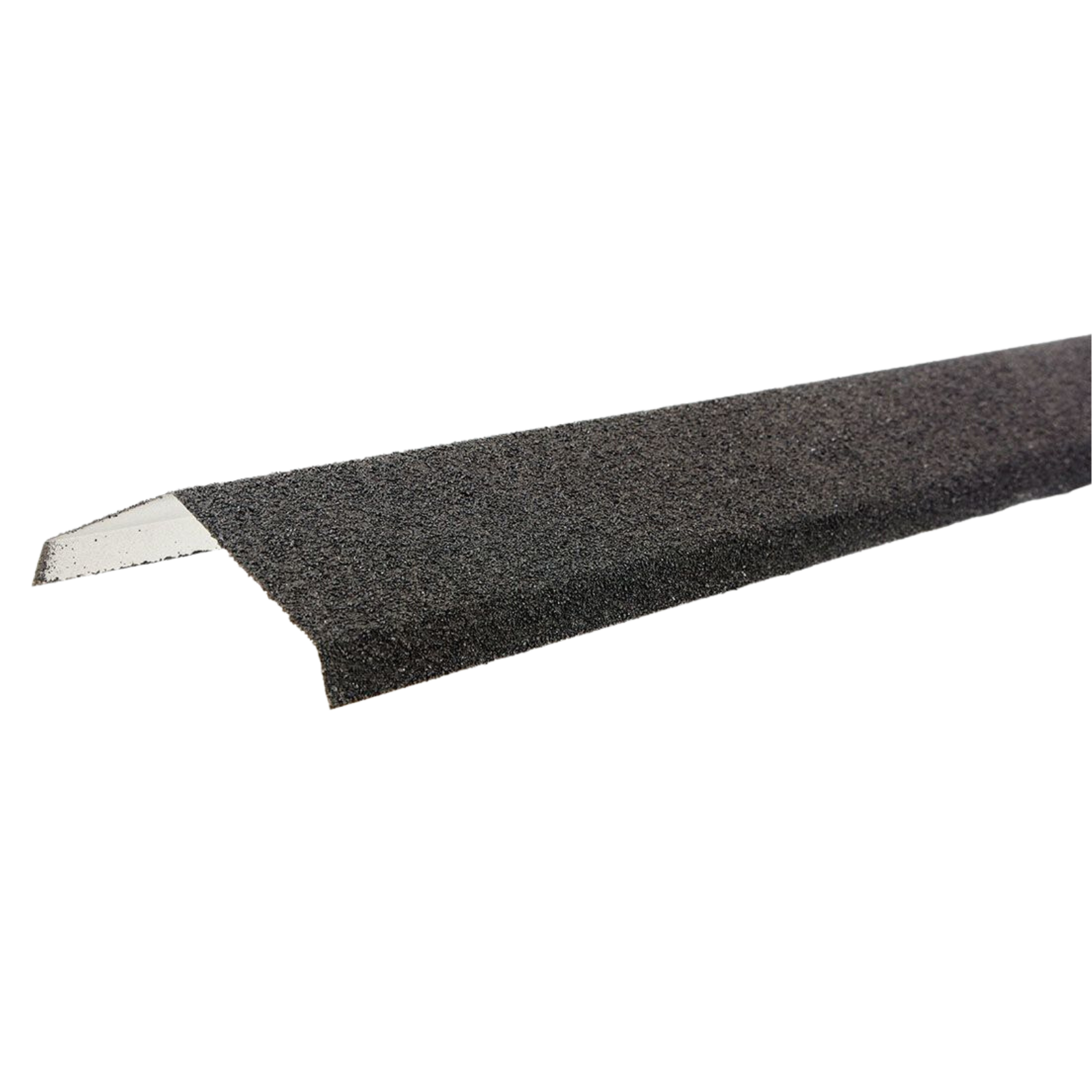
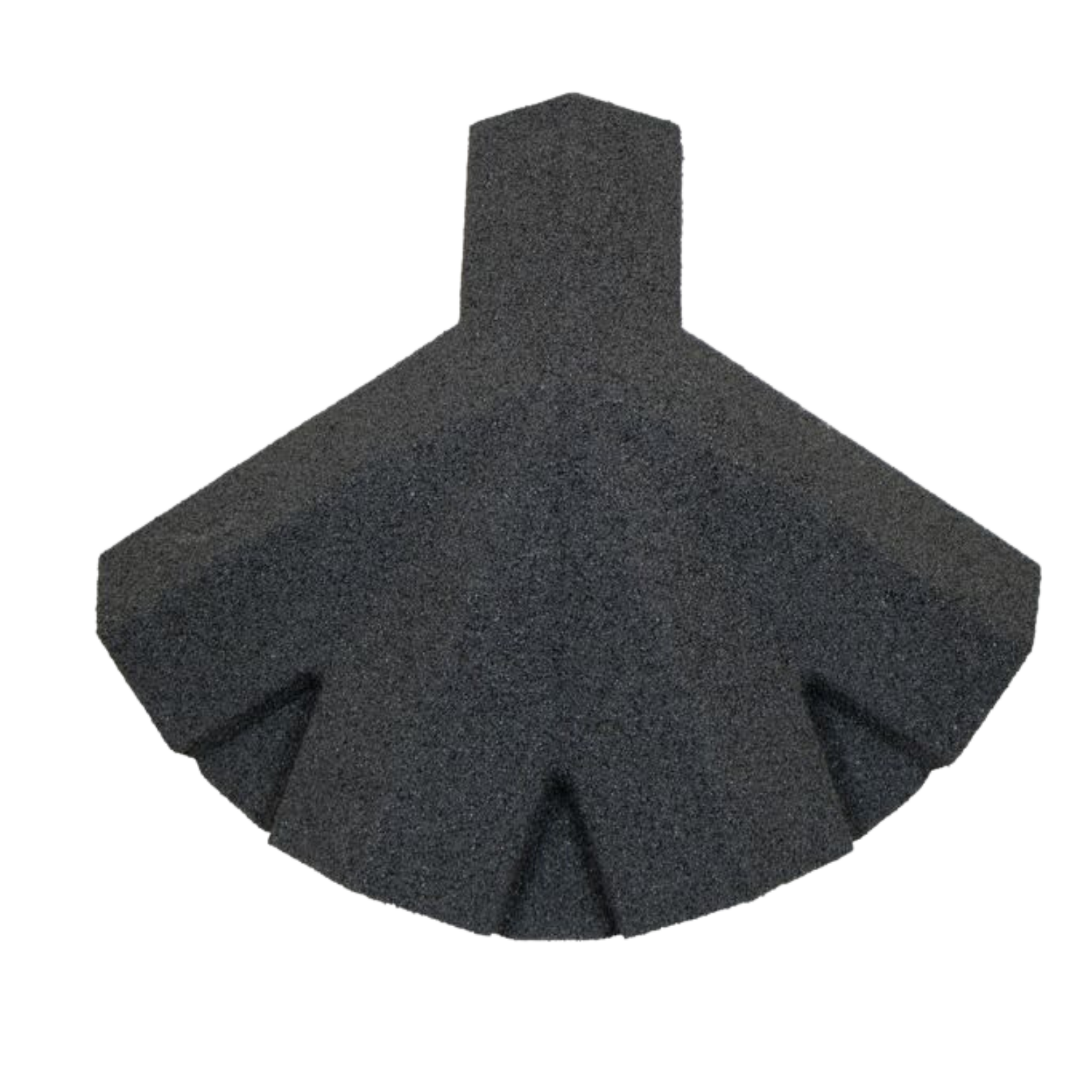
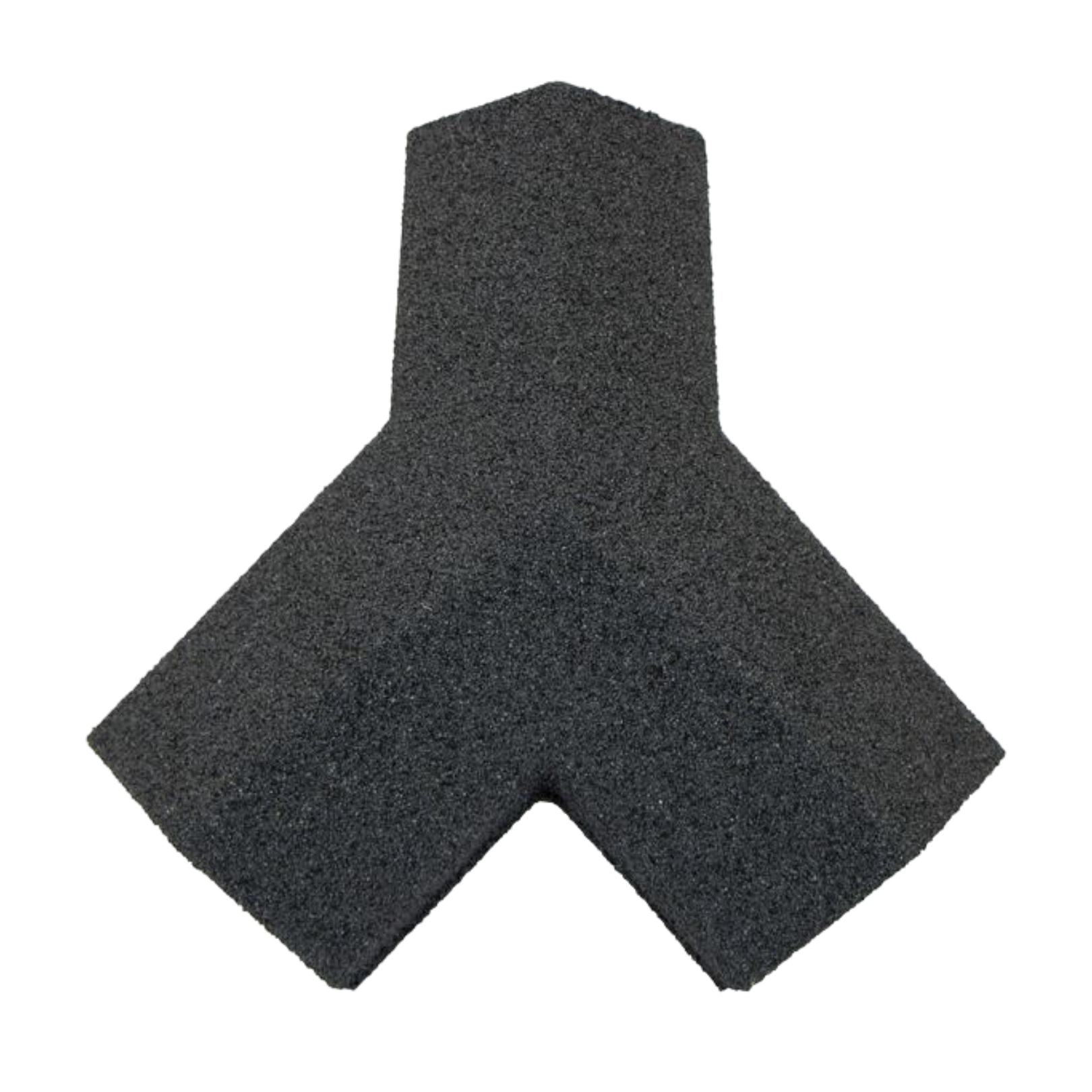
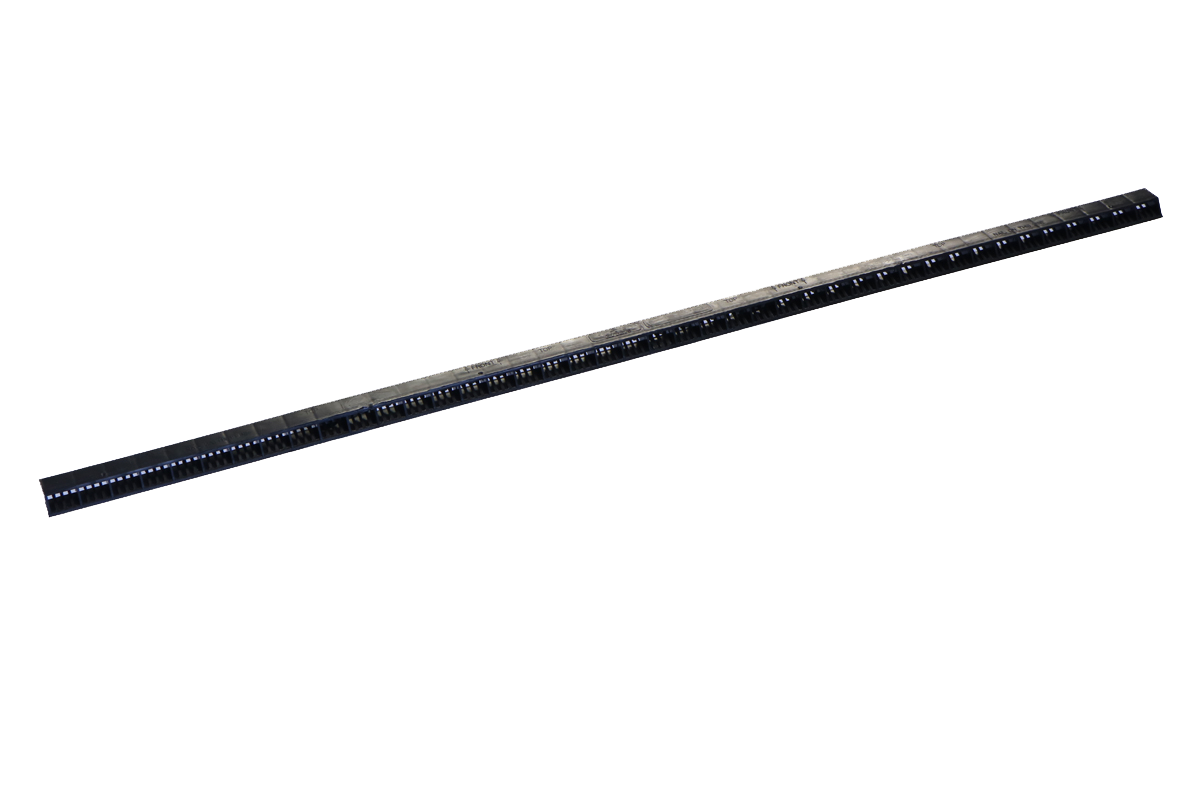
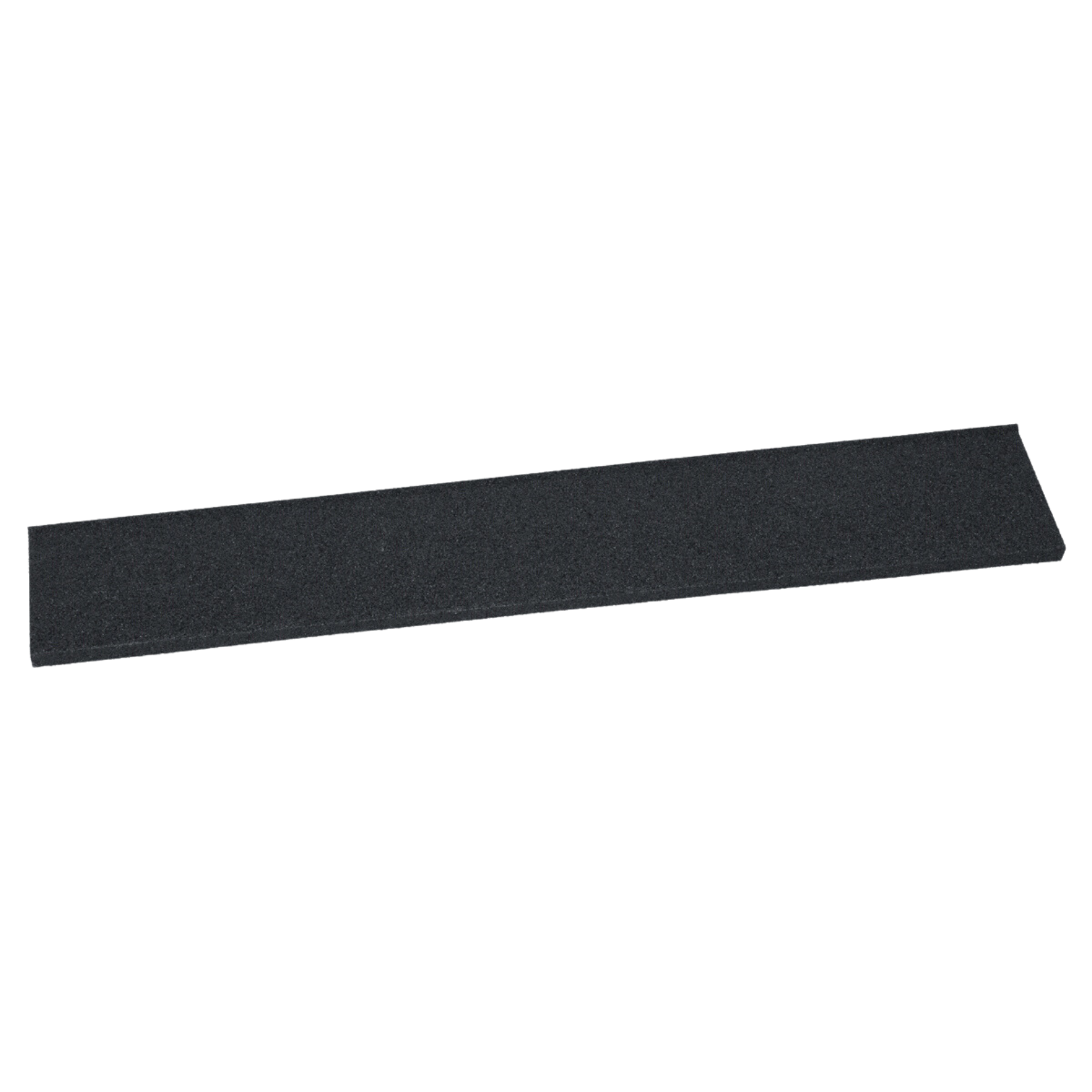
.png)
Ultratile Case Studies
Ultratile Technical Spec
| Minimum pitch: | 10° |
| Maximum pitch: | 90° |
| Overall width: | 1308mm |
| Cover width: | 1248mm |
| Side lap: | 60mm |
| Step: | 22mm |
| Batten gauge: | 370mm |
| Batten gauge (0.90mm): | 368mm |
| Slates per sqm: | 2.18 |
| Steel base: | 0.45mm & 0.9mm |
| Weight as laid per m2: | 7kg & 11kg |
| Base coat: | Acrylic resin |
| Top coat: | Stone granules with clear acrylic overglaze |
| Chemical resistance: | Non-toxic fungicide incorporated |
| Biological resistance: | Unaffected by normal air pollution |
| Fire Resistance: | AA classification equal to traditional roof tiles and slates |
| Fixings: | The contractor shall utilise the roofing manufacturers recommended fixings and sealant |
| Ventilation: |
Ultratile General Specification
Ultratile panels can be applied to roof pitches from 10° to 90°.
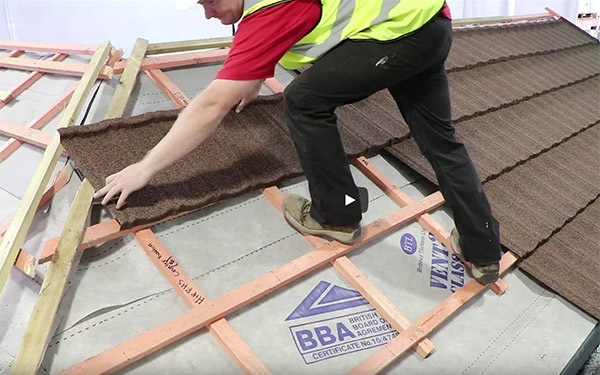
Each tile must be secured using 4 coloured 2.6mm x 50mm galvanised fixing nails, driven through the downturned nose of the tile into the face of the battens (for 0.9mm Ultratile, a coloured TEK screw can be used - Part No: ASF2 - 00E55).
Battens:
Treated tiling battens of approved quality (E.g., tanalised), of suitable section, to be laid at 370mm centres, (for 0.45mm thickness gauge) or 368mm centres (for 0.9mm thickness gauge) and secured to the rafters using galvanised nails. Joints in the battens should be staggered and meet halfway across the top of the rafters, as standard code of practice.
Please note: It is the responsibility of the installer to ensure correct batten usage
Underlay:
Approved, reinforced felt, BS747 (Type 1F) is to be laid over rafters, lapped and secured to the rafters with galvanised clout nails and carried well into the gutters. All to comply with current regulations.
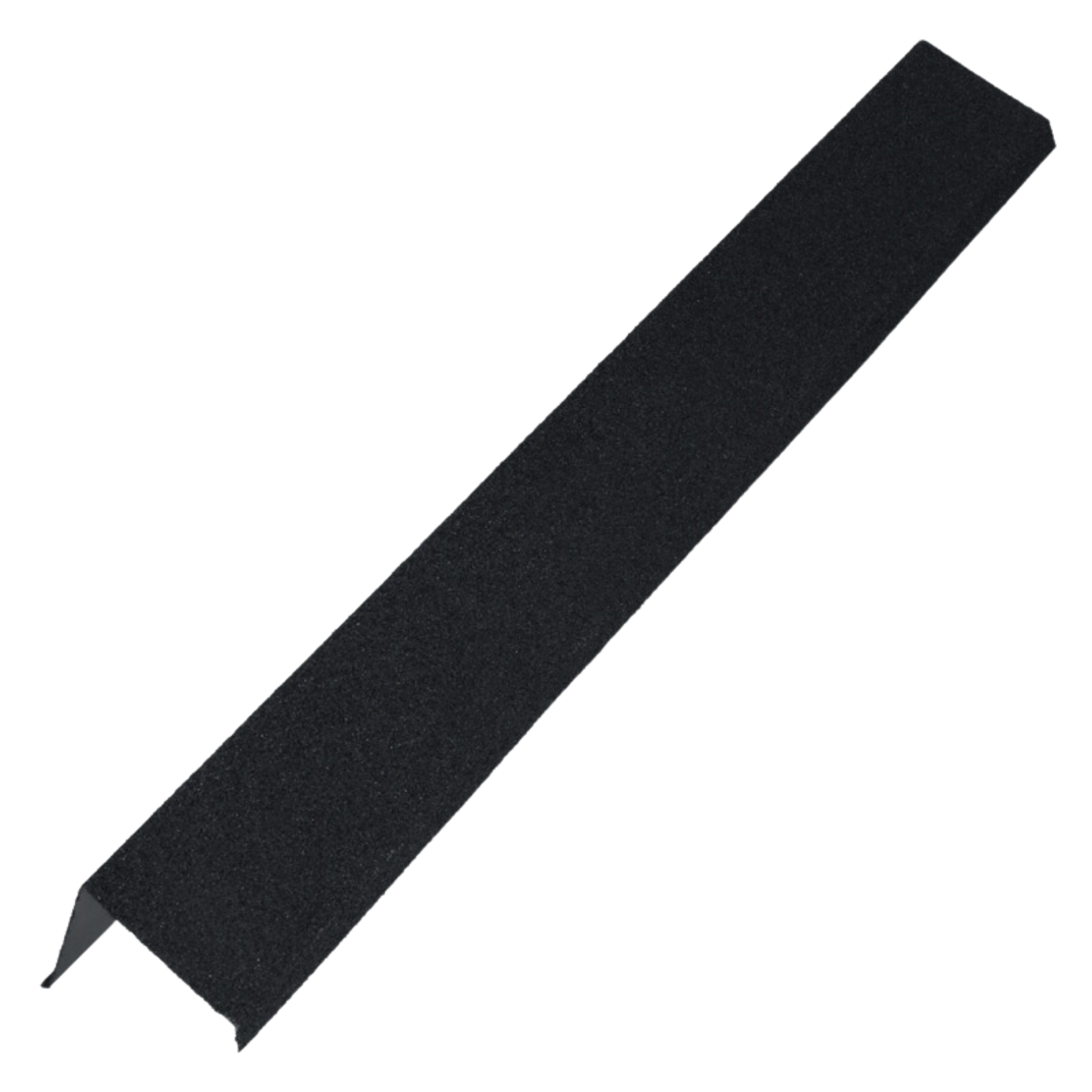
Angle ridge flashing:
Two tile battens should be fitted side by side on both sides of the ridge using galvanised nails. An additional 50mm x 50mm batten should be secured on top of the rearmost of the two tile battens in a position to suit the fitting of the Ultratile angle ridge.
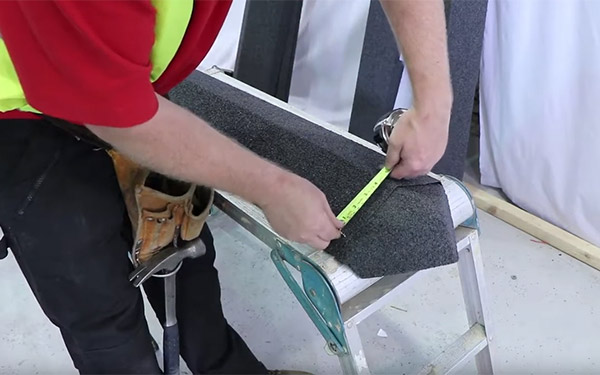
If necessary, the top course of tiles to be cut and bent using a guillotine and bender (Available to hire from Britmet). The rear edge of the tile is to be turned up to form a 25mm to 38mm upstand against the top tile batten. Each tile must be secured using four nails driven through the downturn as previously described.
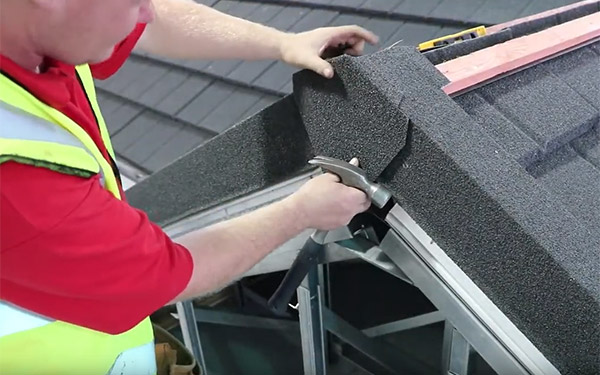
The angle ridge flashing is to be fitted over the top batten and nailed through the downturn of the ridge into the tile upstand and face of the batten, using five nails on each side.
Angle ridge (ventilated) roof pitches from 10° to 35°:
Felt underlay to be cut back allowing a continuous 12.5mm air gap on either side of the centre line of the ridge.
If necessary, the top course of tiles to be cut and bent using a guillotine and bender (Available to hire from Britmet). Each tile to be secured using four fixing nails driven through the downturn nose of the tile into the battens. A batten, not exceeding 50mm x 50mm, is to be fitted on the universal vent piece (Supplied by Britmet) and secured through the tile into the battens on the underside, using 75mm galvanised nails.
The ridge flashing to be fitted over the batten and nailed through the downturn into the face of the batten using five nails on each side.
Angle hip flashing:
A 38mm x 38mm hip batten should be nailed to the tile battens on each side of the hip rafter, using galvanised nails.
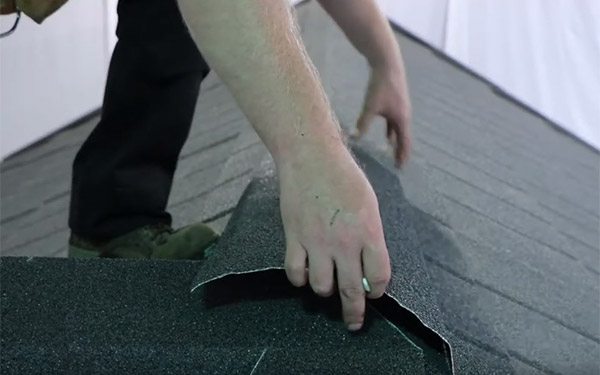
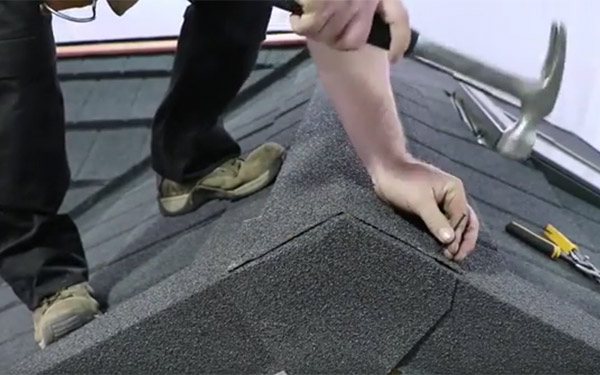
Tiles should be cut and bent to form a 25mm-35mm upstand against the hip battens, using a guillotine and bender (available from Britmet). The hip flashing is to be fitted over the battens and nailed through the downturn, into the face of the battens using five nails on each side.
Eaves:
The bottom course of tiles to be secured using four no. coloured, 2.6mm x 50mm galvanised fixing nails driven vertically through the tile, as near to the high point of the tile profile as possible and into the fascia board, or through the eaves batten placed approx. 20mm behind the fascia board if the Ultratile eaves ventilation system is used. These nail heads are to be sealed using the Ultratile touch-up kit.
The top of the fascia board or eaves vent, if used, are to be in line with top of battens. Fit Lay Board or Tilting Fillet at the eaves if appropriate, to ensure any moisture on the underlay drains into gutter.
Roof pitch above 15 degrees:
The top of the fascia board should be fixed 23mm below the top face of the eaves batten allowing for the Ultratile 10mm eaves vent system.
Roof pitch below 15 degrees:
The top of the fascia board should be fixed 25mm below the top face of the eaves batten allowing for the Ultratile 25mm eaves vent system.
Note: Where the insulation follows the roof slope, the Ultratile ventilation tray should be installed between the rafters.
Valley:
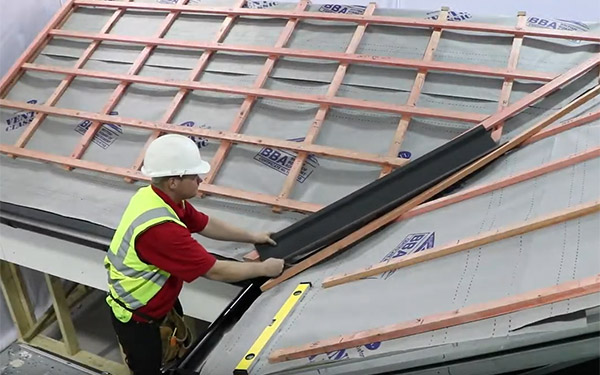
The valley should be formed from lead, moulded glass fibre or similar approved lining, supported on valley boards. Tile battens should project over the valley to provide fixing for the tiles. Ultratile panels should be measured, cut and bent, using a guillotine and bender (available from Britmet), allowing sufficient downturn into the valley.
Barge board cover:
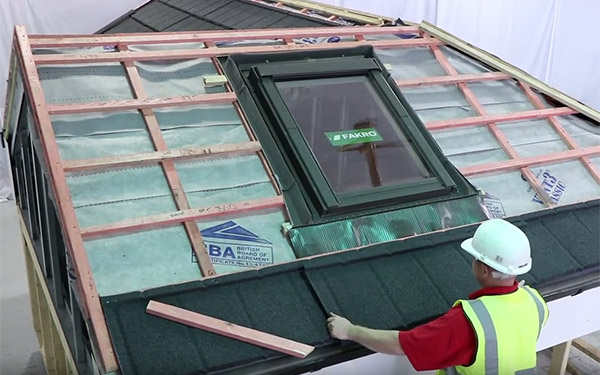
The timber barge board should project 25mm above the top of the tile battens. A 50mm x 50mm timber batten to run parallel to the fascia board. Ultratile panels should be cut and bent up against the timber barge batten.
The Ultratile scribed barge board cover to be secured using five fixing nails drive through the downturned edge into the barge board and 5 nails are to be driven vertically into the barge batten (the heads of the vertically fixed nails should be sealed, using the Ultratile finishing kit).
Sidewall flashing:
Ultratile scribed sidewall flashing is to be secured using fixing nails, one driven vertically into each batten (these nail heads can be covered, using the Ultratile touch-up kit).
Ultratile cover flashing can be dressed over the vertical section of the sidewall flashing and dressed into the brickwork.
Ultratile inline and soil vent:
To provide additional ventilation, the Ultratile inline tile vents are available, providing an airflow of 7,500mm2.
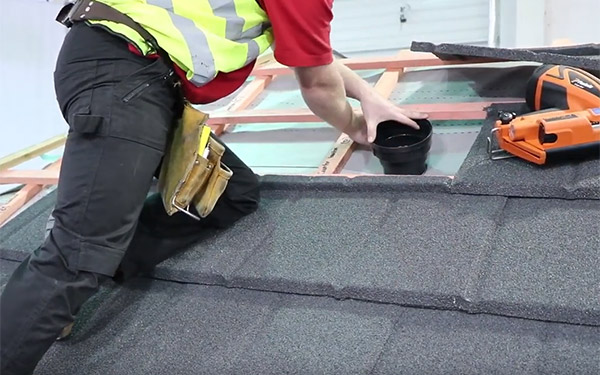
The tile underlay must be cut to allow the adapter of the tile vent to pass through. The Ultratile panel vent is installed to provide full weather security. The tile vent is secured by overlapping an Ultratile panel on either side and nailing through the nose of the tile, as previously described. Nails must not penetrate the vent tile.
The Ultratile inline vent tile can also be used as a weather protected exit point for soil pipes or extractor fan ducts by means of a flexi-hose and pipe adapter that connects the vent to 100mm stacts or duct work.
Ultratile gas flue ridge terminal:
Available to suit angle ridge. Type (R) adapter and extension piece supplied by others.
Please note: This information is to be used as a guide only. It assumes that the structure of the existing building is in accordance with the building practice.
At your request a custom specification can be written for your individual project. Please contact our technical department for assistance.
Ultratile NBS Spec
Ultratile Installer Guide
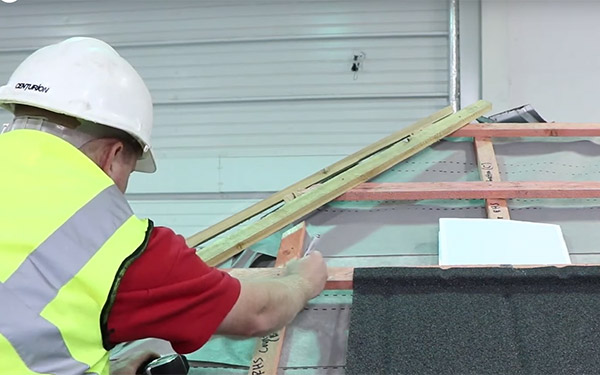
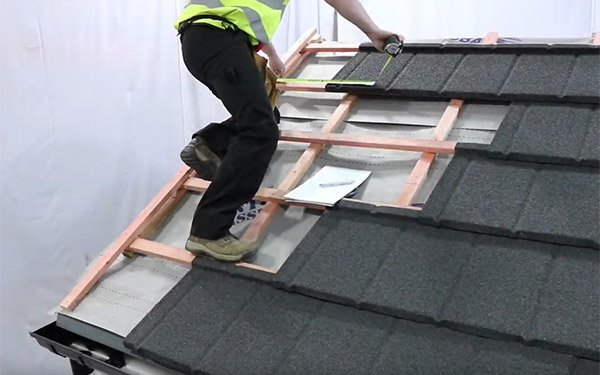
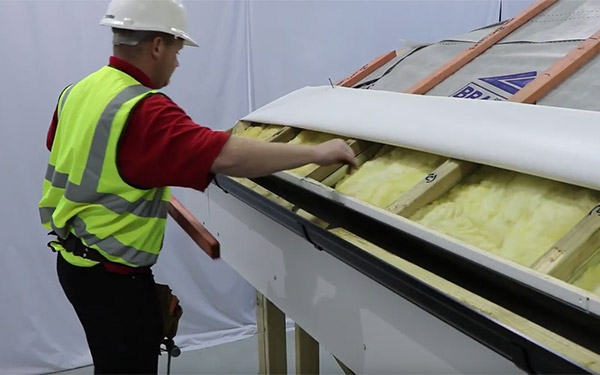
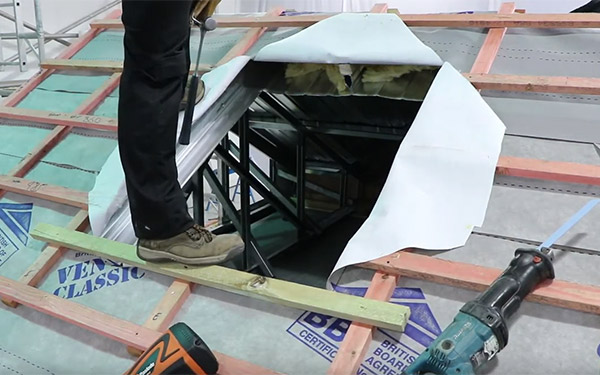
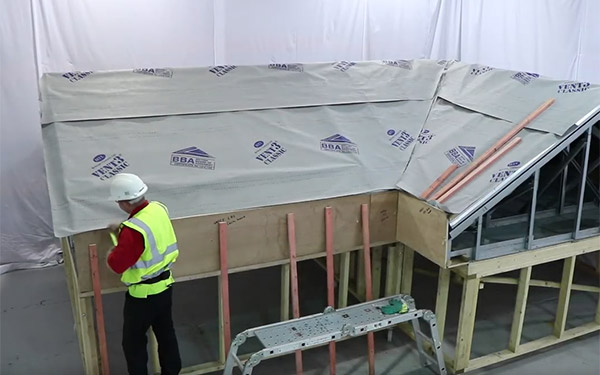
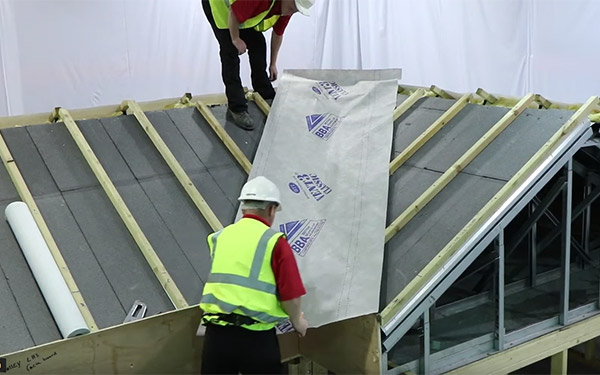
Ultratile Videos

Ultratile Technical Drawings
| Ref | Description | Files |
| Ultratile | ||
| 3RIDCOAT | Accessories Drawings Jan 26 | |
| APR | Flashing Drawings Jan 26 | |
| BLHG | BLHG-Barge LH | |
| COVG | COVG-Cover Flashing | |
| P45-Barge-01-A | Typical Barge Detail | DWG | PDF |
| P45-Eave-01-A | Eaves 0.45 0-15 Detail | DWG | PDF |
| P45-Eave-02-A | Non Ventilated Eaves 0.45 0-15 Detail | DWG | PDF |
| P45-Hip-002-A | Non Ventilated Typical Hip Roof | DWG | PDF |
| P45-Hip-01-A | Hip 0.45 Detail | |
| P45-MRidge-01-A | Mono Ridge Detail | DWG | PDF |
| P45-Ridge-01-A | Typical Ridge Detail | DWG | PDF |
| P45-Ridge-02-A | Non Ventilated Typical Ridge Detail | DWG | PDF |
| P45-Swall-01-A | Sidewall Detail | DWG | PDF |
| P45-TAbut-01-A | Top Abutment Detail | DWG | PDF |
| P45-TAbut-02-A | Non Ventilated Top Abutment Detail | DWG | PDF |
| P45-Tile-001-A | Tilevent Detail 0.45 | |
| P45-Vall-01-A | Typical Valley Detail | DWG | PDF |
| P90-Barge-01-A | Typical Barge Detail 0.9 | DWG | PDF |
| P90-Eave-001-A | Typical Eaves Detail 0.9 | DWG | PDF |
| P90-Eave-002-A | Non Ventilated Typical Eaves Detail 0.9 | DWG | PDF |
| P90-Hip-001-A | Typical Hip Roof 0.9 | DWG | PDF |
| P90-Hip-002-A | Non Ventilated Typical Hip Roof 0.9 | DWG | PDF |
| P90-MRidge-001-A | Mono Ridge Detail 0.9 | DWG | PDF |
| P90-Mridge-002-A | Non Ventilated Mono Ridge Detail 0.9 | DWG | PDF |
| P90-Ridge-001-A | Typical Ridge Detail 0.9 | DWG | PDF |
| P90-Ridge-002-A | Non Ventilated Typical Ridge Detail 0.9 | DWG | PDF |
| P90-Swall-01-A | Sidewall Detail 0.9 | DWG | PDF |
| P90-Tabut-001-A | Top Abutment Detail 0.9 | DWG | PDF |
| P90-Tabut-002-A | Non Ventilated Top Abutment Detail 0.9 | DWG | PDF |
| P90-Vall-01-A | Typical Valley Detail 0.9 | DWG | PDF |
| SLHG | SLHG-LH Side Wall | |